Beyza Binnur Dönmez
23 September 2026•Update: 23 September 2026
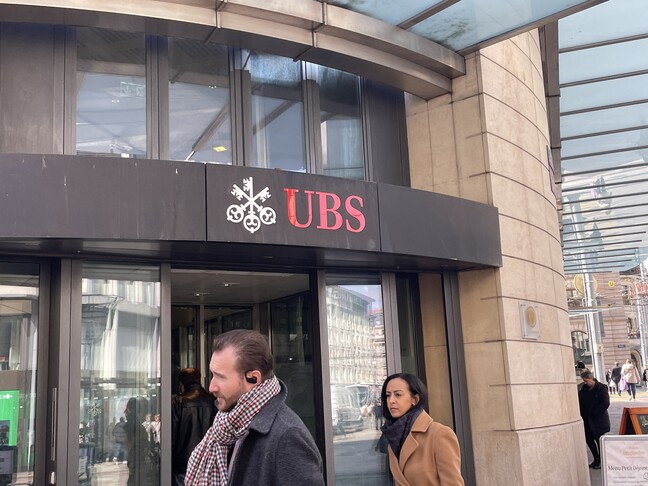
Switzerland's upper house of parliament backed tougher capital requirements on Wednesday for UBS, the country's largest bank, advancing efforts to strengthen banking safeguards following the 2023 collapse of Credit Suisse.
The Council of States voted 29-16 for a provision requiring UBS to back its foreign subsidiaries with Common Equity Tier 1 (CET1) capital equal to 90% of their value.
UBS estimated the measure would require it to hold about $16 billion in additional CET1 capital at its Swiss parent company, according to Bloomberg.
The requirement is a slight easing from the government's original proposal for 100% backing, but remains substantially tougher than current rules.
Finance Minister Karin Keller-Sutter has said her plan would ensure UBS remains resilient in a potential crisis and protect Switzerland from a scenario in which its largest bank by far could spiral toward collapse.
UBS, which supported an alternative allowing greater use of Additional Tier 1 (AT1) bonds, criticized the decision.
"This political outcome is not a compromise and fails to address the root causes of the Credit Suisse collapse," said the bank, adding that it would focus on protecting its "long-term interests."
The proposed reforms follow the 2023 collapse of Credit Suisse, which UBS acquired in an emergency government-backed takeover.
The legislation moves to the lower house of parliament, with a final decision expected no earlier than 2027.